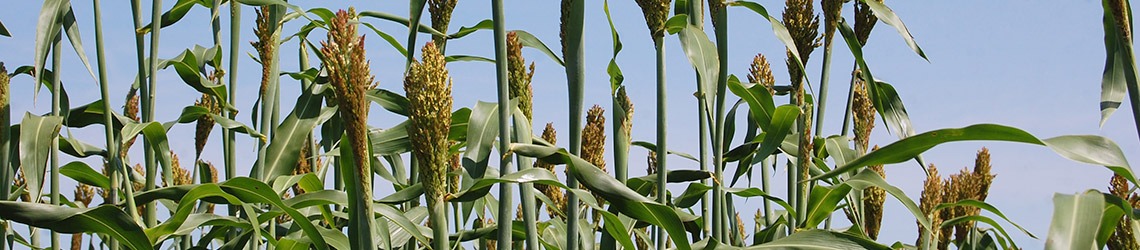
Growing Guide: Sorghum
Sorghum is grown for beer-making, syrup production, and for their edible grains. Some varieties of sorghum, such as broom corn, are used for crafts.
Read More
Sorghum is grown for beer-making, syrup production, and for their edible grains. Some varieties of sorghum, such as broom corn, are used for crafts.
Read More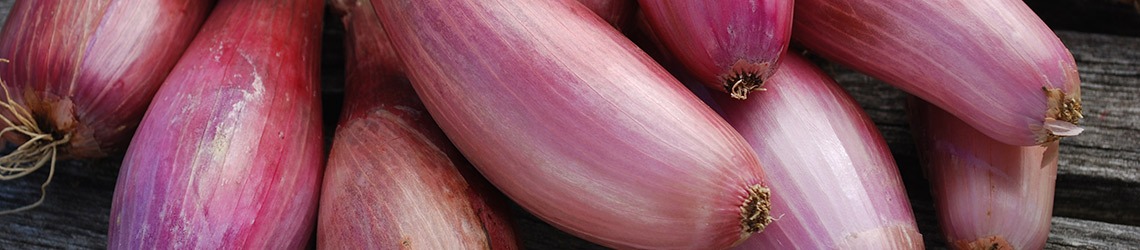
This smaller cousin of the common onion belongs to the Allium cepa species, subspecies aggregatum. Shallots lend sweetness to dishes that ask for onions and they are just as easy to grow as their large-bulbing relatives.
Read More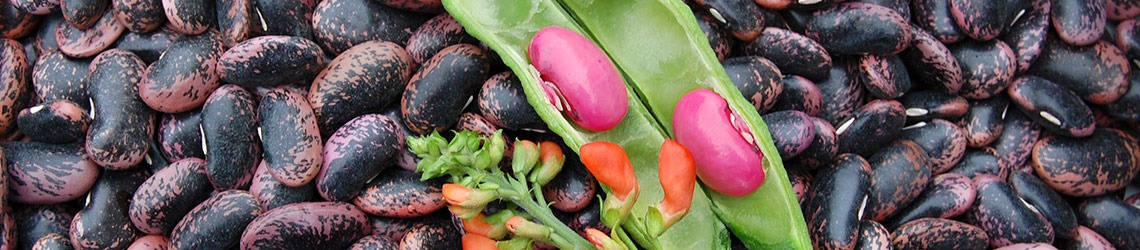
These plants are often grown as ornamentals, owing to their large and often bright red flowers, as well as for their edible seeds.
Read More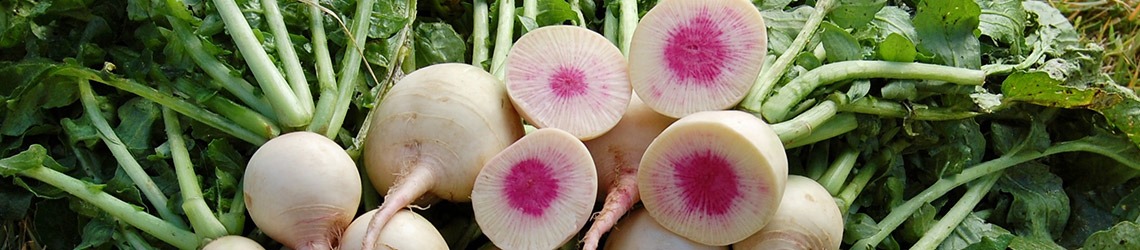
Radishes are quick and easy to grow, and are a tasty addition to salads and roasted vegetable plates. Some radish varieties mature in one season, while others are over-wintered and produce seed in the second season.
Read More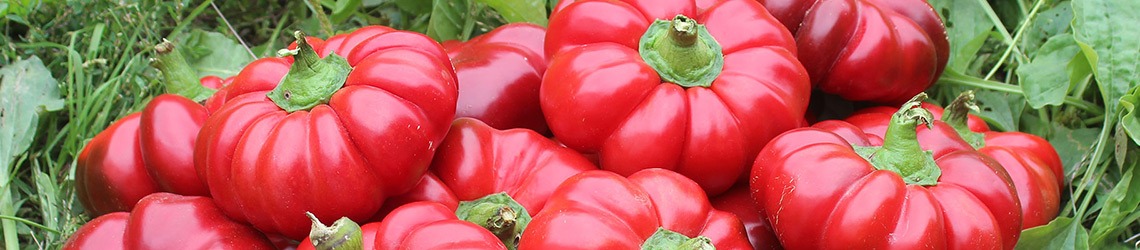
Both sweet and hot peppers originate from one wild species native to Central and South America. Of today’s five domesticated pepper species, gardeners usually encounter two: Capsicum annuum and Capsicum chinense.
Read More
It is easy to see why this early-season crop is a popular garden plant. Peas require little care beyond a trellis and pest protection, yet they produce prolific amounts of snappy pods throughout the spring and summer.
Read More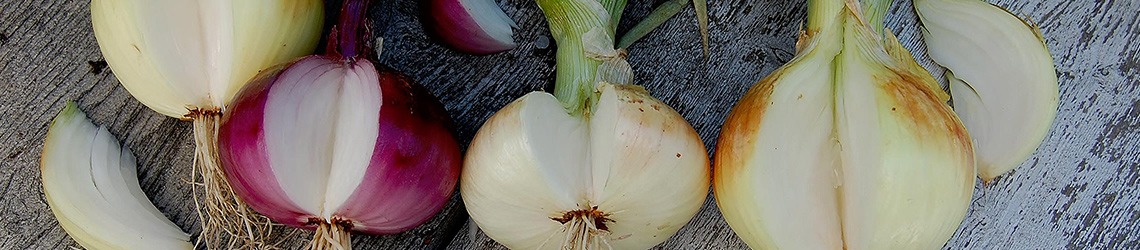
Onions, like other members of the Allium family, are biennials, producing seeds in their second year of growth. The bulb (or common) onion has brown, yellow, or red skin and is round, elongated, or flattened.
Read More
The towering stalks of the okra plant provide height, texture, and color to the home garden. Both beautiful and productive, okra can be harvested for several weeks throughout the summer.
Read More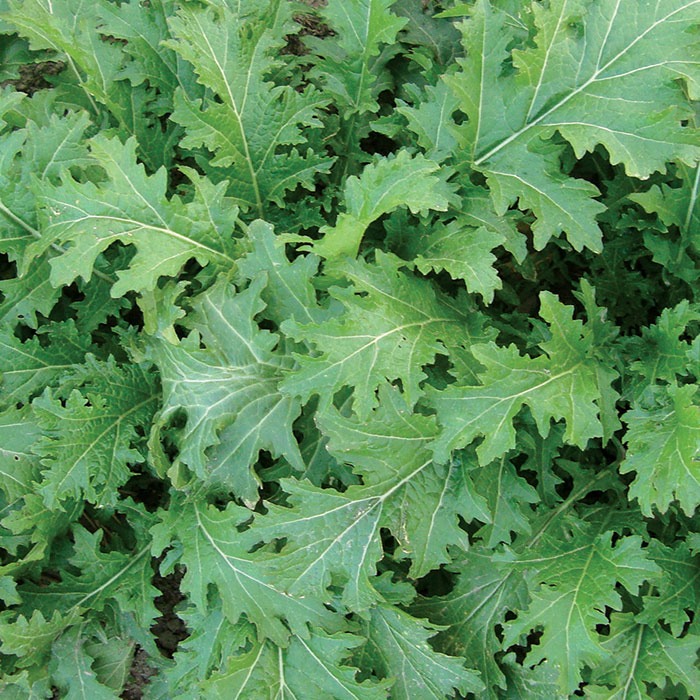
Mustard greens are a cool-season crop that are easy to grow. They tolerate a light frost and can be grown all winter in warmer climates. Exposure to frost makes the leaves sweeter, and warm weather makes the leaves spicier.
Read More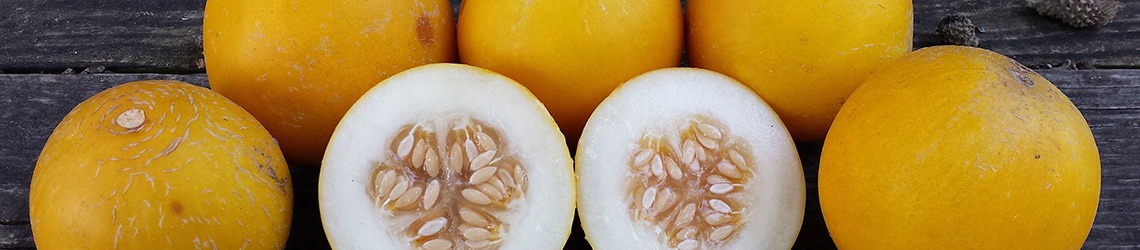
Like its cucurbit cousins—watermelon, cucumbers, and squash—melons and Armenian cucumbers produce numerous fruitful vines. There are countless varieties of melons—hundreds if not thousands, not counting many that go unrecorded worldwide.
Read More