Growing Guide: Cabbage
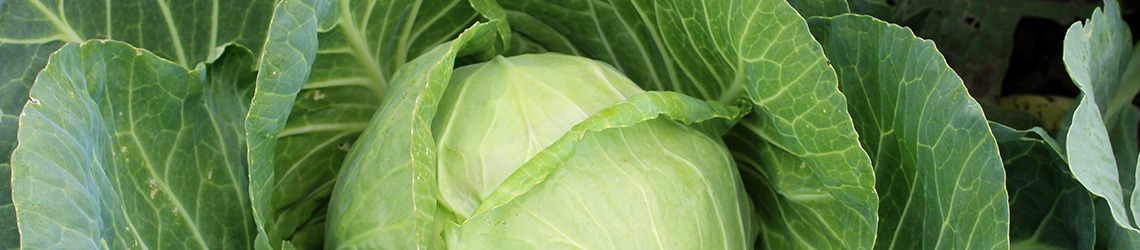
Cabbage varieties come in a spectrum of colors, from light green to dark purple. Sow cabbage seeds indoors 4-6 weeks before transplanting seedlings outdoors.
Read More
Cabbage varieties come in a spectrum of colors, from light green to dark purple. Sow cabbage seeds indoors 4-6 weeks before transplanting seedlings outdoors.
Read More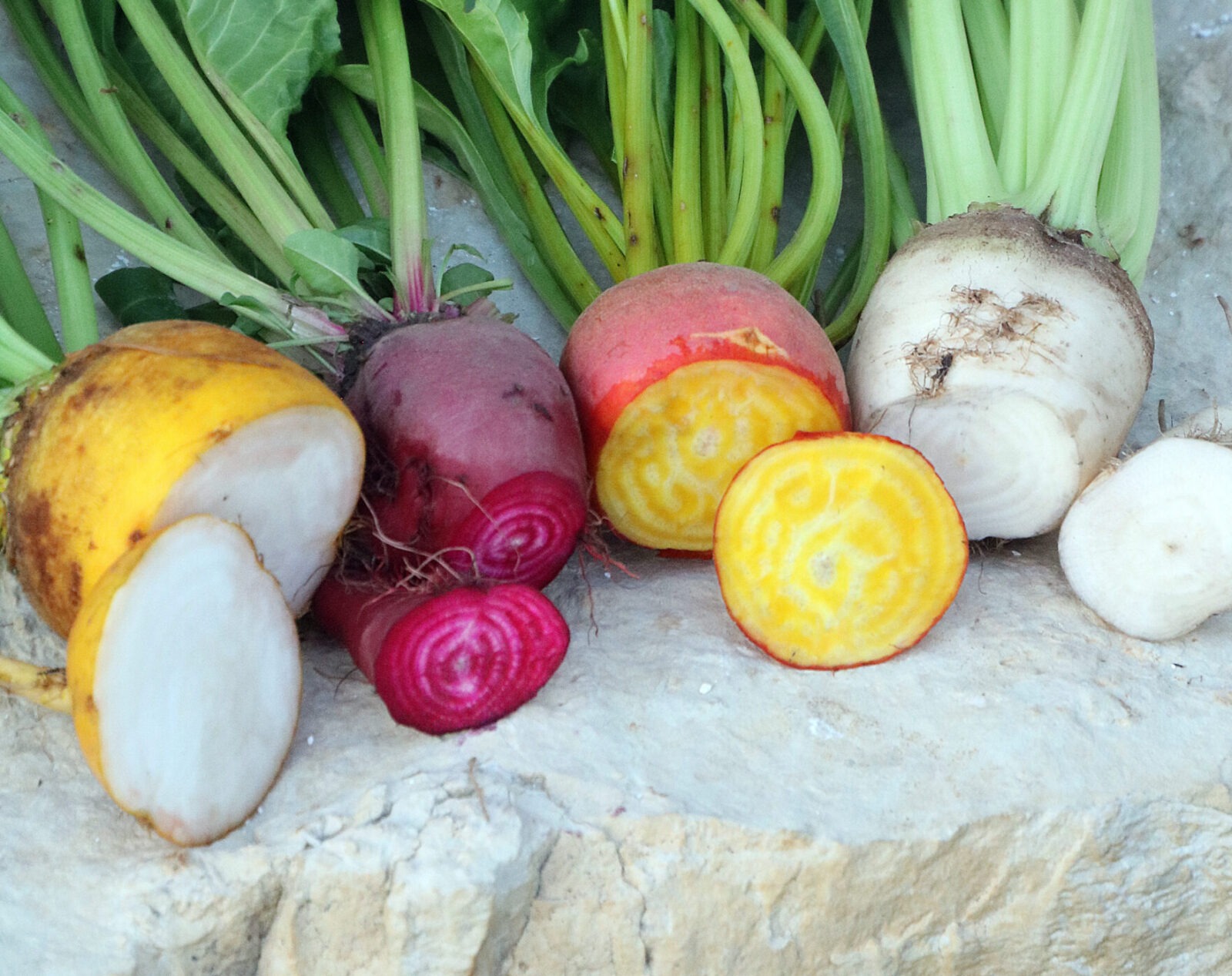
Beets are tasty and easy to grow, and both the roots and leaves can be used in cooking. Plant in early spring, as soon as soil can be worked. You can plant successive plantings until midsummer.
Read More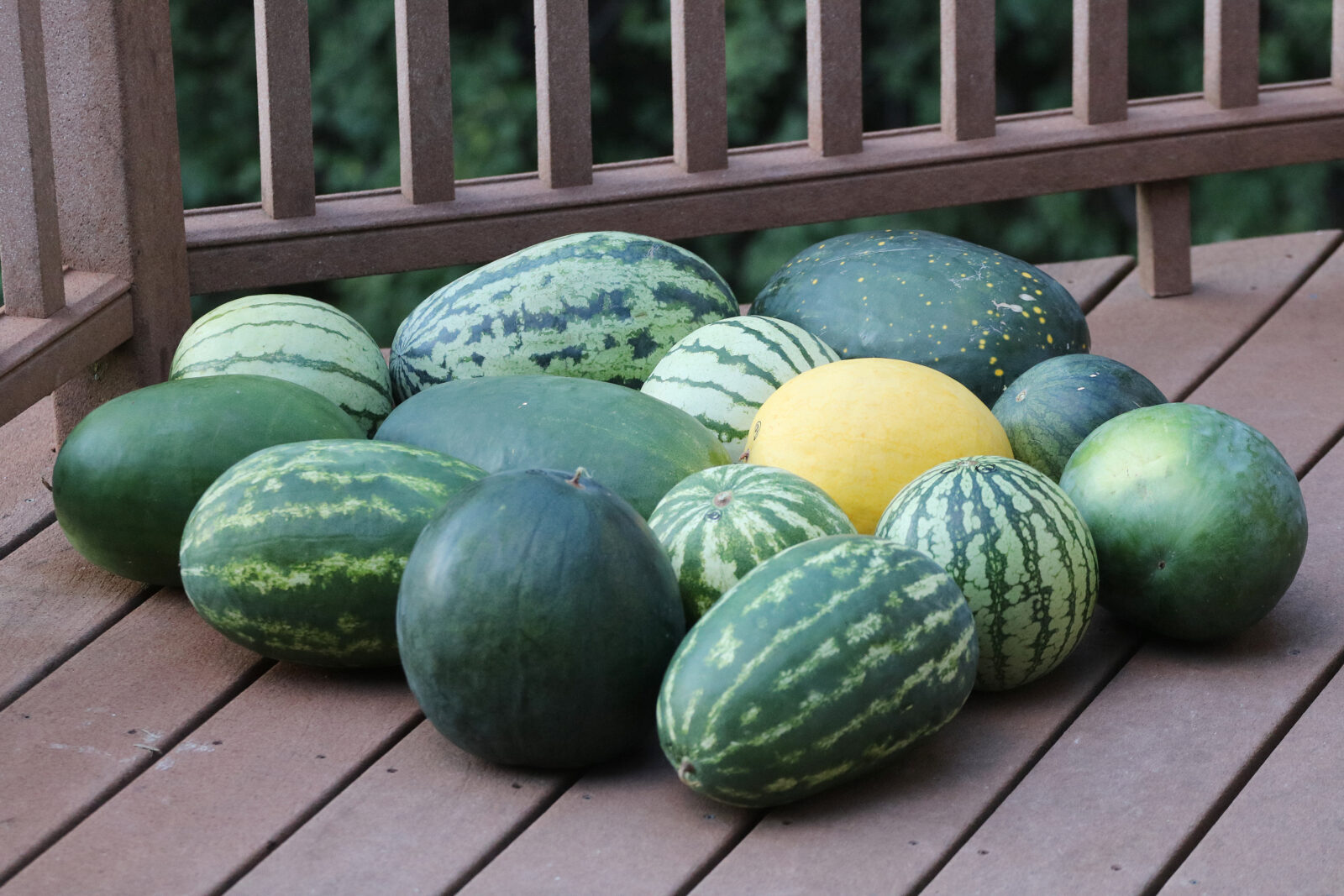
Although watermelon requires a long growing season, if you start this sprawling plant early enough in the year, you can enjoy its fruits from late summer to early fall. Watermelons, like other vining plants, need plenty of space to grow.
Read More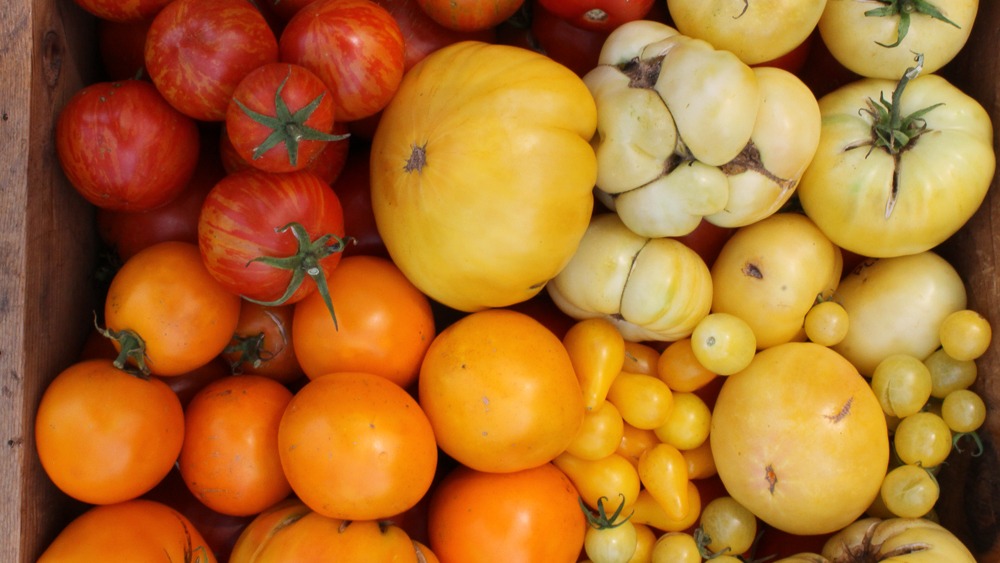
Tomato plants can be either determinate or indeterminate. Determinate plants will produce tomatoes that all ripen around the same time, while indeterminate plants will continue producing new growth and new fruits throughout the growing season.
Read More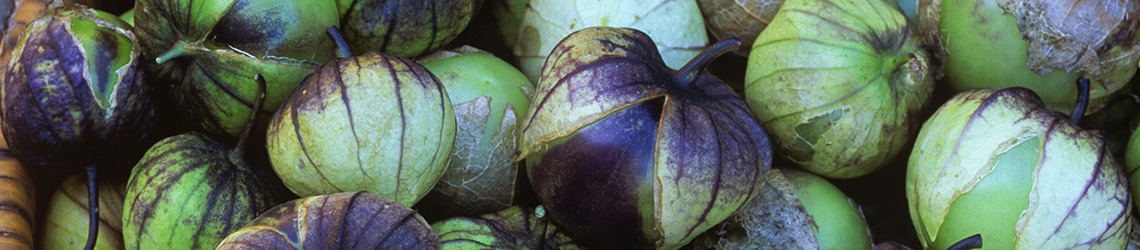
This sprawling nightshade produces many husk-swaddled fruits. Saving seeds from tomatillo is as easy as saving seeds from tomatoes!
Read More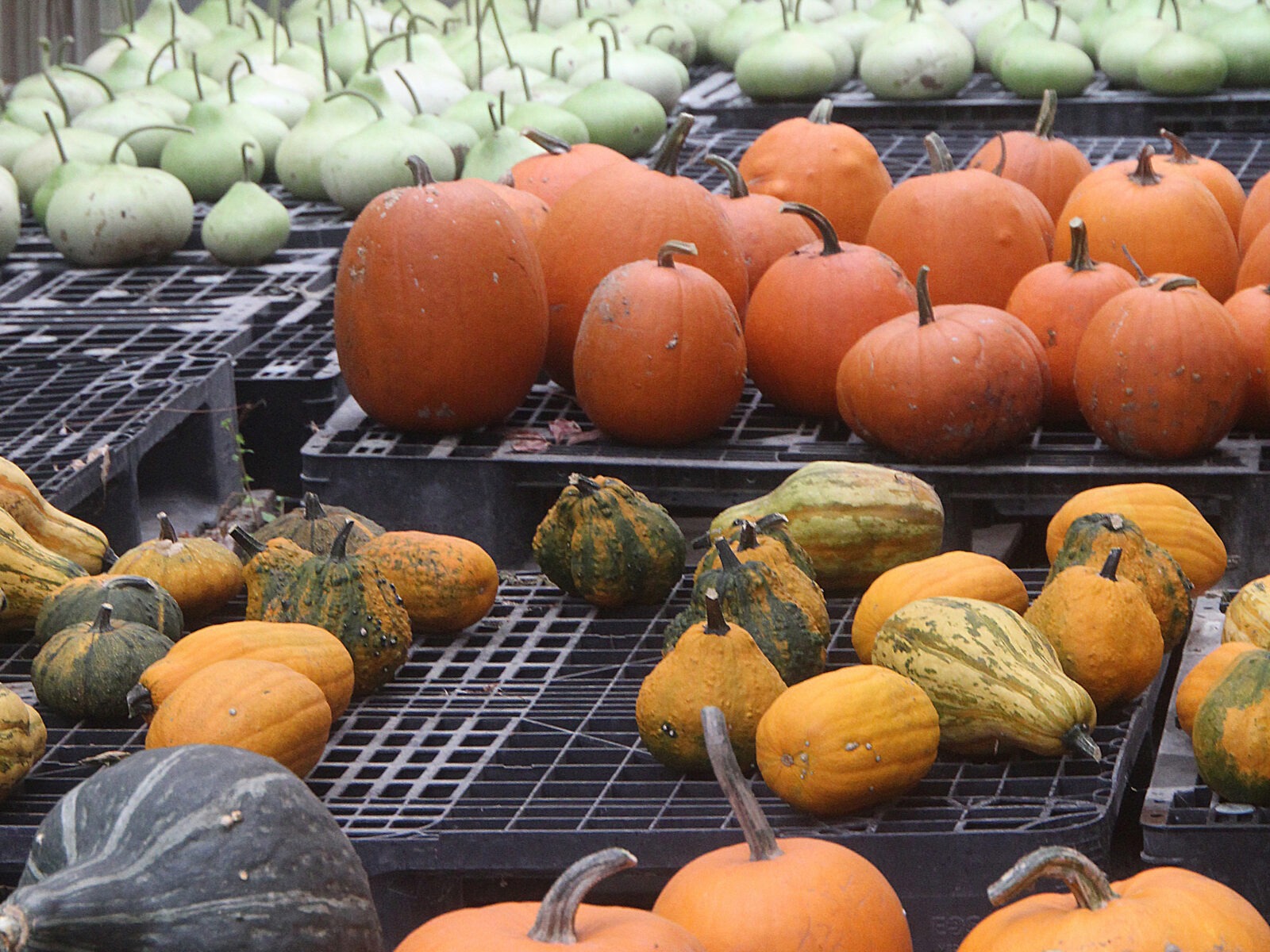
One of our most popular vegetables, heirloom squash is a versatile crop for growing in gardens year in and year out. Learn how to grow and save squash seeds.
Read More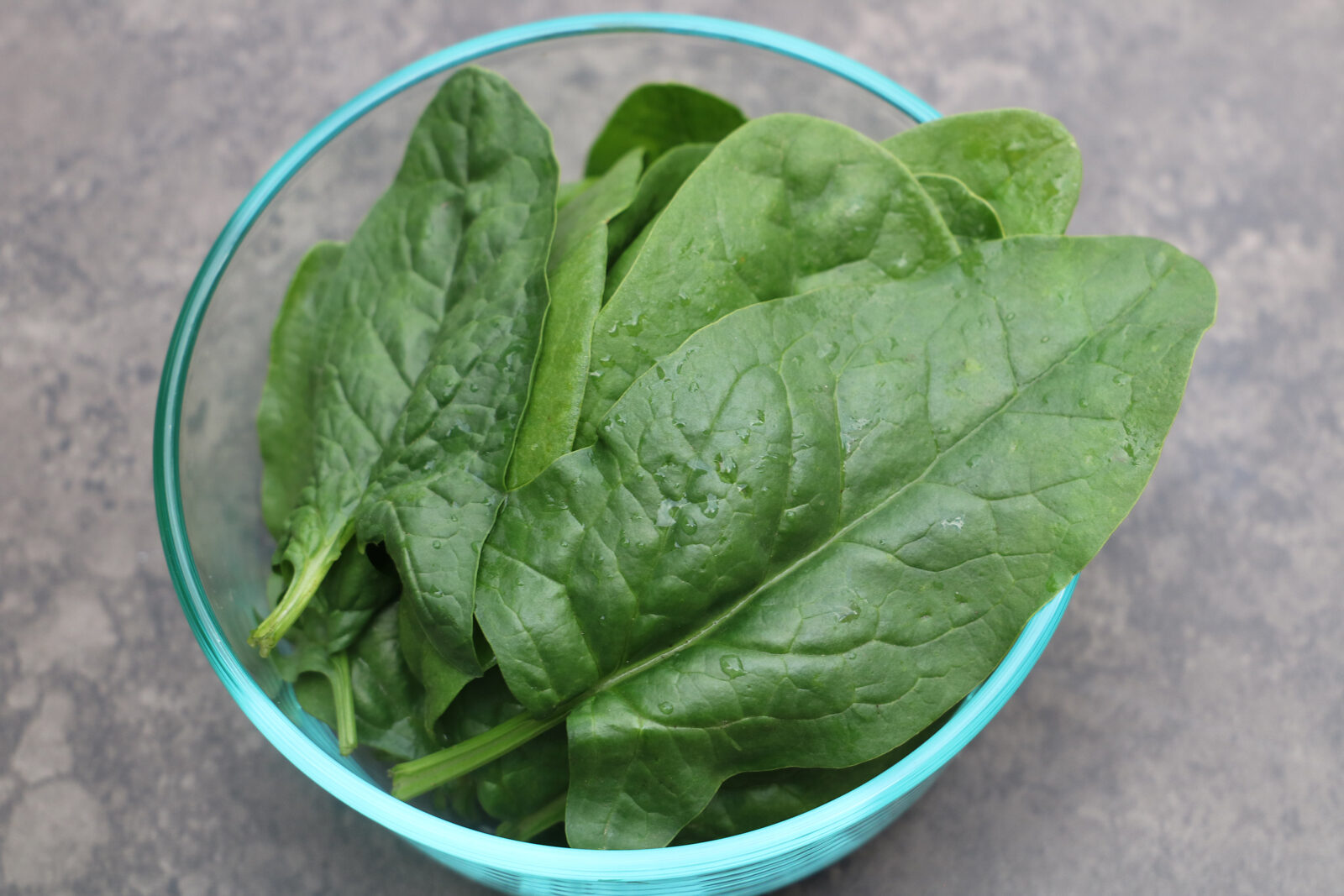
Spinach is a nutrient-rich green that is easy to grow in the garden. As spinach requires long day lengths in conjunction with cooler temperatures, it may be more feasible for growers in the north to save seeds from spinach.
Read More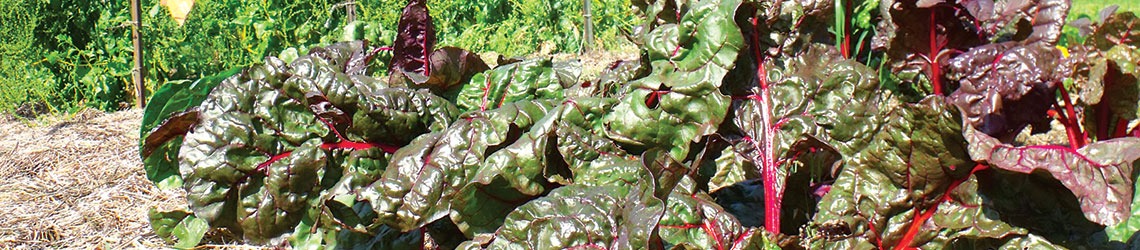
Swiss chard is a green with a unique taste. Plants can be lightly harvested in the first year for food, and then set to overwinter and produce seeds the following year.
Read More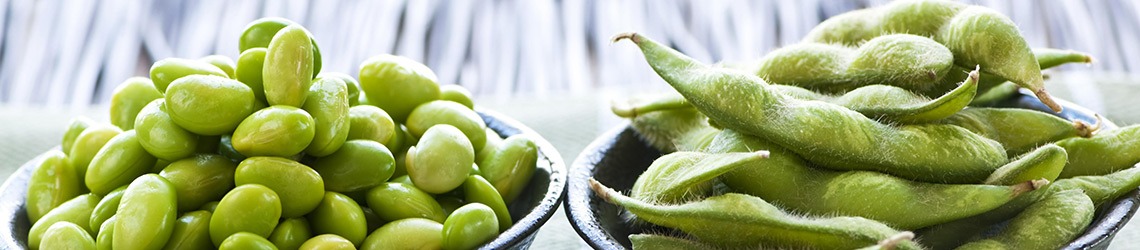
In the US, soybeans are grown as a commodity crop and primarily used for oil and animal feed. However, soybeans are also an excellent crop for home gardeners, who can enjoy them in Asian inspired cuisines or more simply as steamed edamame.
Read More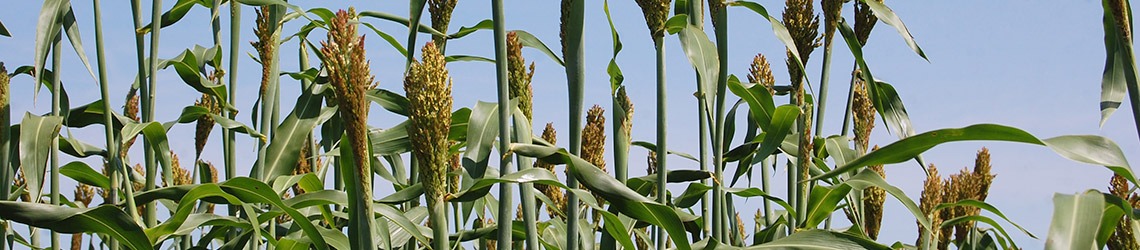
Sorghum is grown for beer-making, syrup production, and for their edible grains. Some varieties of sorghum, such as broom corn, are used for crafts.
Read More