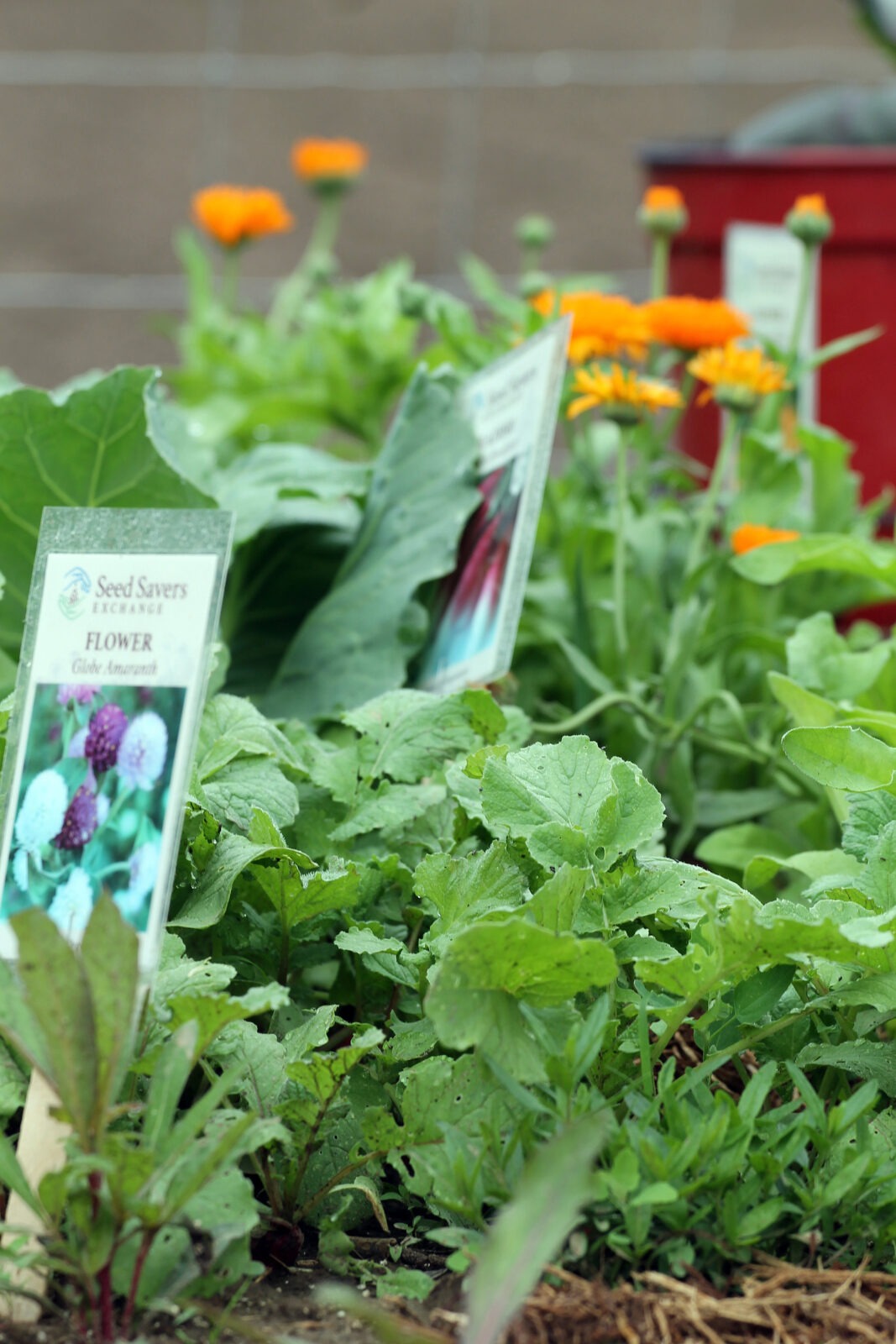
In 2017, we visited with Lou Ann Hall—gardener extraordinaire and Former Seed Savers Exchange retail seed program manager—to learn more about the lush and inviting small-space garden (100 square feet, give or take) she created that spring on the sprawling grounds of Heritage Farm in Decorah. Read on and learn how you too can make the most of even the smallest garden spot.
Sara McCamant of Sebastopol, California, has never met a garden plot she didn’t like. “Gardening’s in my blood,” she says. “Growing up in a family of gardeners, I’ve always had a passion for planting things and digging in the dirt.” And she has happily spent much of her life pursuing that passion.
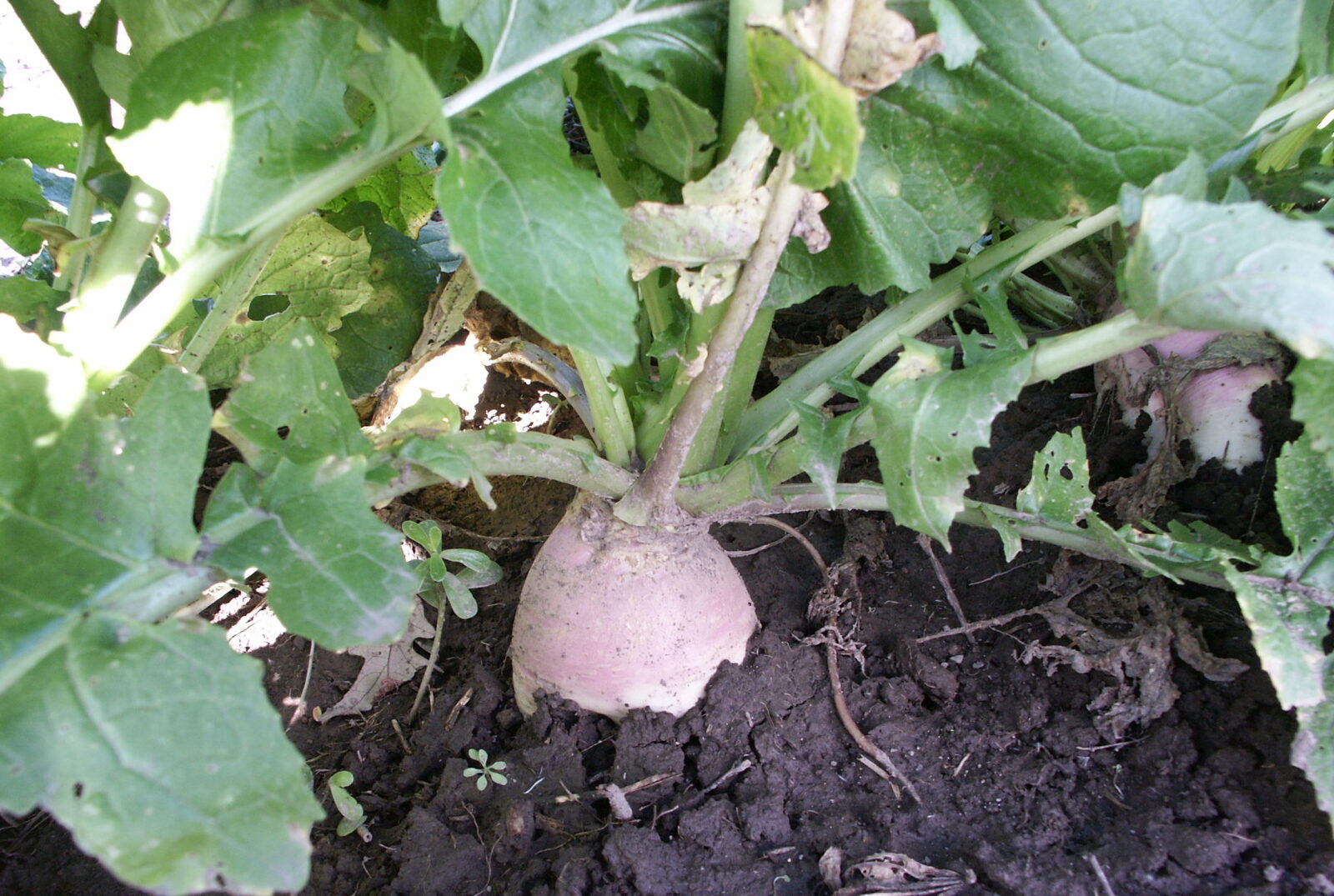
Until 2017, the Seed Savers Exchange collection included the “turnabaga.” What is a turnabaga, you might rightfully ask? Well, it was a very unique vegetable that we can now proudly say is extinct.
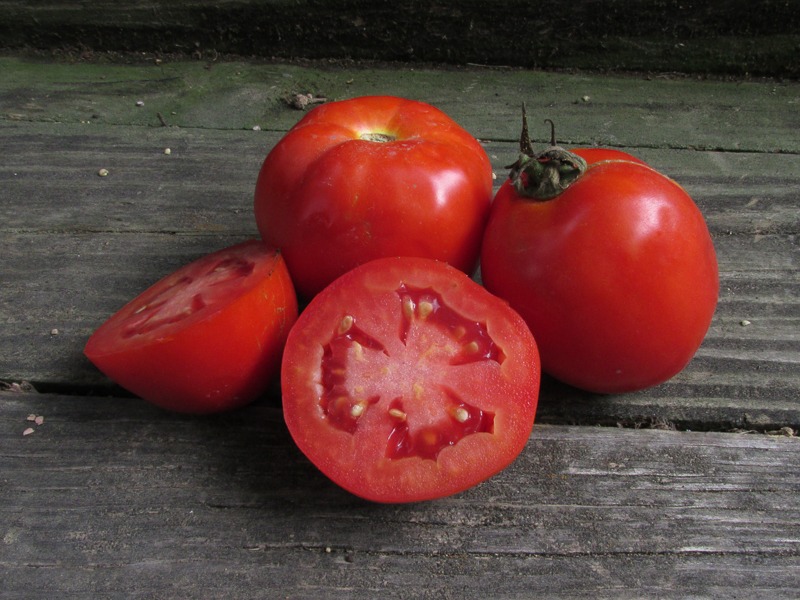
Discover the history of A.W. Livingston, the father of modern tomatoes, and his transformative work in tomato breeding. Learn about the legacy of Livingston’s varieties, their restoration by Victory Seed Company, and the unique characteristics of tomatoes like ‘Livingston’s Paragon’ and ‘Honor Bright’ that have shaped today’s tomato culture.
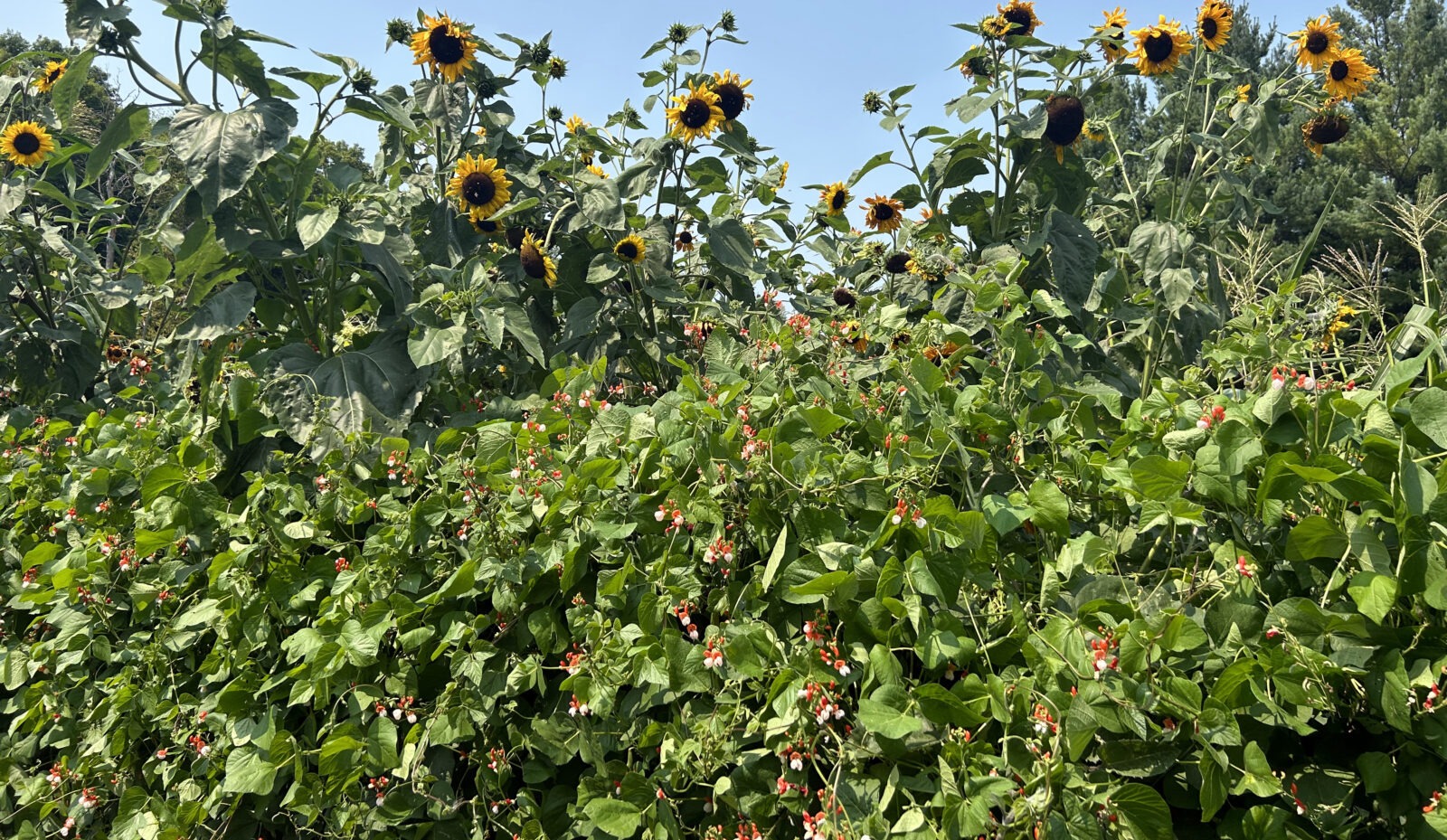
In the United States, runner beans are undervalued as an edible crop and usually grown as ornamentals for their large, showy, often scarlet-colored flowers. American horticulturalist Fearing Burr recognized their eating qualities in his 1863 book Field and Garden Vegetables of North America, stating “its value as an esculent has not been generally appreciated.” This remains true today.
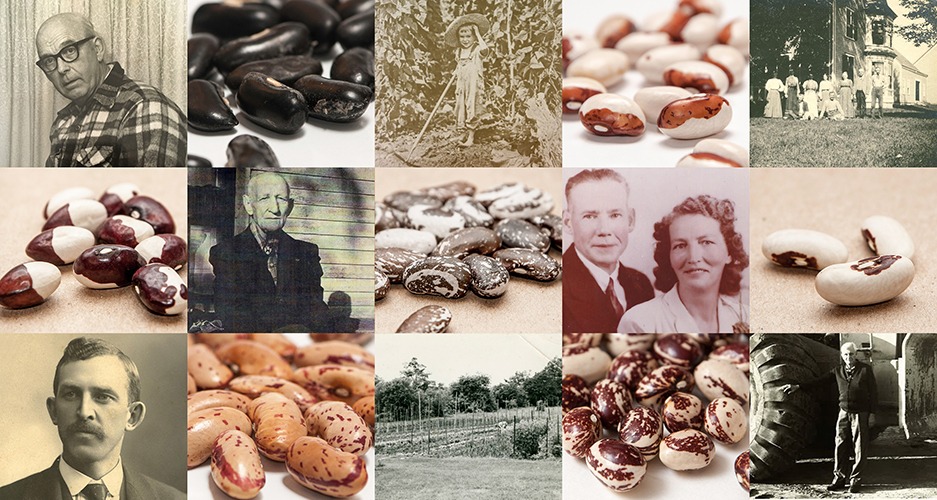
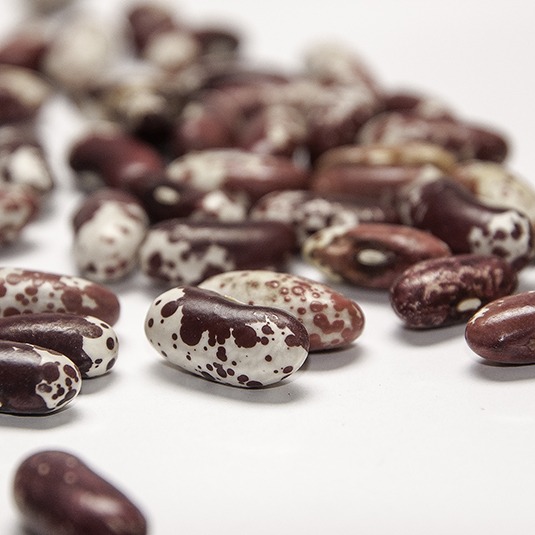
From Washington to Massachusetts, John Withee’s collection is being honored and protected by the next generation of seed savers who carry on his legacy of growing and sharing heirloom beans. Here you can follow the plight of just a few of the varieties in the John Withee bean collection.
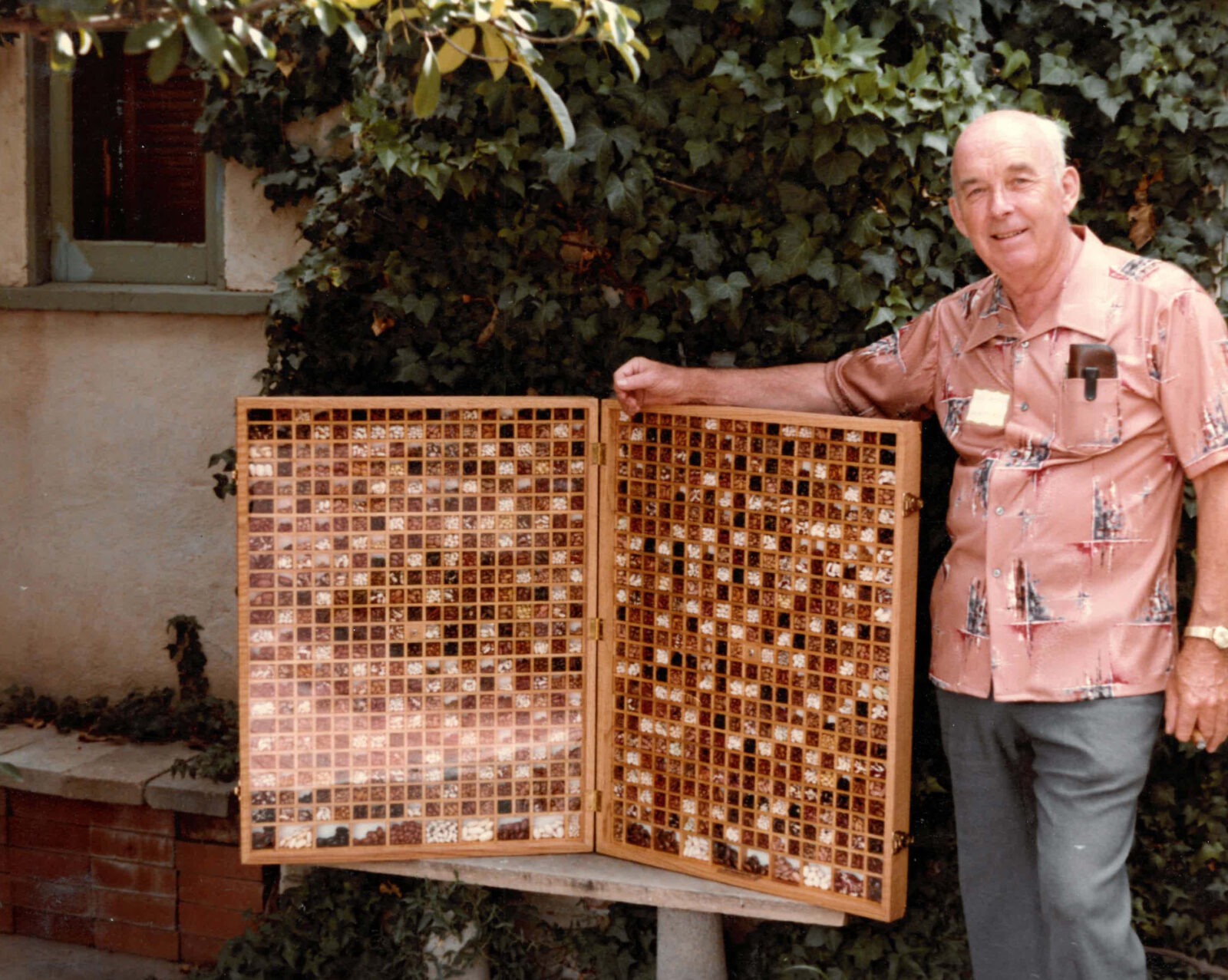
John Withee became a legend championing bean biodiversity and seeking to protect heirloom beans from extinction. John took his hobby to the extreme, building a national network of bean aficionados, amassing a collection of 1,186 varieties, and gaining national fame for his humble campaign.
One common belief among gardeners is that tomato varieties with potato-type leaves are much more likely to cross pollinate than regular leaf tomatoes. Is there any truth in it?
Anyone can preserve history by collecting seed stories. There are many more amazing seed stories out there than we can ever collect on our own. An easy way to protect these stories is to record them.